
What Is USOR? Can I Invest in USOR?

In the rapidly evolving world of cryptocurrency, a new narrative is gaining momentum—tokenized real-world assets. Among the latest projects capturing attention is USOR (United States Oil Reserve), a Solana-based token that merges blockchain transparency with energy market themes. If you've been searching for information about oil-backed crypto or tokenized commodities, this guide will explain what USOR is, how it works, and what you need to know before considering this emerging digital asset.
What Is USOR Crypto?
USOR (United States Oil Reserve) is a cryptocurrency built on the Solana blockchain that aims to bring transparency and narrative-driven exposure to U.S. oil reserves through decentralized technology. Unlike traditional oil ETFs or futures contracts, USOR represents a new category of tokenized oil assets—digital tokens that reference real-world commodities without requiring direct physical ownership.
Core Features of USOR Crypto
- Blockchain-Based Transparency: Built on Solana for fast, low-cost transactions with on-chain verification
- Fixed Supply Model: Total supply capped at 1 billion tokens, with no additional inflation
- Narrative-Driven Value: Tied to energy market themes rather than direct oil price correlation
- Decentralized Trading: Available primarily on Solana-based decentralized exchanges
How Does USOR (United States Oil Reserve) Work?
USOR operates as an SPL token (Solana Program Library token) with a straightforward economic model:
USOR (United States Oil Reserve) Tokenomics:
- Total Supply: 1,000,000,000 USOR tokens
- Circulating Supply: All 1 billion tokens are currently in circulation
- Market Capitalization: Approximately $7-8 million (as of early 2026)
- Trading Mechanism: Users can swap SOL or other Solana-based tokens for USOR on supported DEXs
Technical Approach:
Rather than holding physical oil reserves, USOR emphasizes on-chain transparency. The project publishes reserve data and token movements directly on the Solana blockchain, allowing anyone to verify transactions and holdings through blockchain explorers. This approach aligns with the growing Real World Asset (RWA) crypto movement that seeks to bridge traditional assets with blockchain technology.
Why Is USOR Gaining Attention?
Several factors contribute to USOR's growing visibility in crypto space:
1. RWA (Real World Asset) Tokenization Trend
As blockchain technology matures, there's increasing interest in tokenizing traditional assets like commodities, real estate, and treasuries. USOR represents one of the first attempts to create a crypto-native representation of oil reserves.
2. Energy Market Narratives
With global energy markets experiencing volatility due to geopolitical factors and energy transitions, crypto projects tied to energy themes have gained speculative interest.
3. Solana Ecosystem Growth
Solana's resurgence as a high-performance blockchain has created fertile ground for innovative token projects, with USOR benefiting from the network's low fees and fast transaction speeds.
4. Transparency Focus
In an industry sometimes criticized for opacity, USOR's emphasis on on-chain verification and fixed supply appeals to investors seeking clearer tokenomics.
Can I Invest in USOR Crypto?
Before engaging with USOR or any similar narrative-driven crypto asset, consider these important factors:
1. No Government or Institutional Backing
Despite its name, USOR is not affiliated with the U.S. government or the Strategic Petroleum Reserve. It's a community-driven crypto project without official commodity backing.
2. High Volatility
As a relatively small-cap, narrative-driven token, USOR experiences significant price volatility that may not correlate directly with oil market movements.
3. Regulatory Uncertainty
The regulatory status of commodity-linked tokens remains unclear in many jurisdictions, creating potential legal and compliance risks.
4. Speculative Nature
USOR's value is largely driven by community sentiment and narrative strength rather than fundamental valuation metrics.
5. Limited Liquidity
Compared to established cryptocurrencies, USOR has relatively limited trading volume and liquidity, which can impact execution prices and slippage.
USOR vs. Traditional Oil Investments
td {white-space:nowrap;border:0.5pt solid #dee0e3;font-size:10pt;font-style:normal;font-weight:normal;vertical-align:middle;word-break:normal;word-wrap:normal;}
Aspect | USOR Crypto | Traditional Oil Investments |
Access | Global, 24/7 via crypto wallets | Typically through brokerage accounts during market hours |
Ownership | Digital token on blockchain | Shares in companies, futures contracts, or physical barrels |
Transparency | On-chain verification | Company reports and market data |
Correlation | Narrative-driven, indirect oil exposure | Direct exposure to oil prices or company performance |
Regulation | Emerging crypto regulations | Established financial regulations |
Future Outlook and Potential Developments
The future trajectory of USOR depends on several factors:
- Adoption within DeFi: Potential integration with lending protocols, yield farms, or other DeFi applications
- Broader RWA Adoption: Growth in tokenized real-world assets could benefit niche projects like USOR
- Regulatory Clarity: Clearer guidelines for commodity-linked tokens could impact legitimacy and adoption
- Market Sentiment: Continued interest in energy and commodity narratives within crypto communities
Conclusion: Is USOR Right for You?
USOR represents an experimental convergence of cryptocurrency and commodity narratives, offering a distinct entry point for traders focused on narrative-driven assets, RWA tokenization, energy-themed crypto, and the Solana ecosystem.
Investors should proceed with caution: allocate only risk capital, conduct independent research, recognize its speculative and unbacked nature, and monitor regulatory updates. Its future trajectory will depend on community adoption, technological developments, and broader market trends.
You may also like
NBIS Stock: What Nebius’ AI Cloud Surge Means Now
NBIS stock jumped as Nebius reported rapid AI cloud growth. See the key Q1 2026 numbers, catalysts, valuation risks, and what to watch next.

Grass Token Price: GRASS Live Data, Drivers, and Risks
Track Grass token price, market cap, supply, unlocks, and key GRASS price drivers before trading the Solana AI and DePIN token.
WCOR Coin Explained: World Collective Oil Reserve on Solana
WCOR coin is a Solana token tied to an oil-reserve registry narrative. Here’s what it claims, current data, and the risks traders should watch.
What Is SAOS Crypto? Can SAOS Hit $0.1?
Is SAOS crypto a hidden gem? Strategic American Oil Supply on Solana explained. No hype, just data: $75K cap, locked LP, RWA narrative.
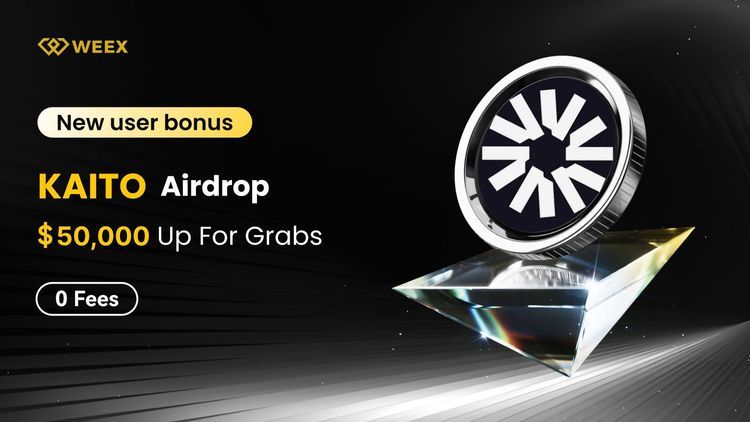
KAIO Airdrop: Share 50,000 USDT on WEEX with 0-Fee Trading
Trade KAIO/USDT with 0 fees on WEEX from May 7–14, 2026. New users can complete deposit and spot trading tasks to share 50,000 USDT in rewards.
What Is SAOS? Strategic American Oil Supply Token Explained
SAOS is a meme token on Solana with a 75,000 USD market cap and 22,000 USD locked liquidity, positioned around oil supply themes but lacking real asset backing
It thrives on pure narrative speculation, with no utility, website, or doxxed team, making it highly volatile and attention-dependent
Traders should distinguish SAOS from legitimate real-world asset projects, as its branding is speculative rather than substantive
Positive aspects include locked liquidity reducing rug pull risks, but low trading activity signals high uncertainty
How to Buy Public Asset Control (PAC) Token in 2026: Latest Solana Buying Guide
How to buy Public Asset Control (PAC) token in 2026, PAC contract address, Solana wallet setup, Jupiter swap guide, latest price, liquidity, and risks.

What Is Public Asset Control (PAC) Token and How Does It Work? Latest Solana PAC Token Guide
Public Asset Control (PAC) token explained. Learn what PAC is, how it works on Solana, current price snapshot, risks, and buying basics.
Can PAC Coin Reach $1 Soon? Analyzing Public Asset Control
PAC is a Solana-based meme token with a government-themed narrative, but it is highly speculative.
At its current price (~$0.0009) and 1B supply, reaching $1 would require a $1B market cap, which is very unlikely.
Short-term moves to $0.001 or $0.01 are more realistic, but the token is highly volatile due to low liquidity and hype-driven trading.
Overall, $1 is not a realistic target, and PAC is better suited for short-term speculation than long-term investment.

United Nations Oil Reserve (UNOS) Crypto: Solana Token, UN Links, and Risks
United Nations Oil Reserve (UNOS) Crypto explained: Solana token basics, UN links, oil-backing claims, market risks, contract checks, and buying cautions.

What Is Public Asset Control (PAC) Coin? Explained for Beginners
Public Asset Control (PAC) is a Solana-based token that uses a “government asset control” narrative involving oil and gold themes, but it has no verified ties to any real institutions or governments. It is mainly an entertainment-focused, speculative meme coin.
The project’s claims about links to entities like BlackRock or Palantir are unverified, and its own disclaimer states it is not a real financial or institutional asset. Like many new Solana tokens, PAC is highly volatile, with low liquidity and limited transparency, including no fully verified audit.
Overall, PAC is a high-risk speculative token driven by hype and storytelling rather than real utility. Beginners are advised to be cautious, verify contract details, and prioritize risk control before considering any trading.
What Is Official Saudi Oil Reserve (OSOR) Coin?
Learn what OSOR coin is, why its Saudi oil narrative matters, how to verify the contract, and what risks to check before trading.
Global Digital Oil Reserve (GDOR): What It Is, Risks, and How to Check It
Global Digital Oil Reserve (GDOR) is an oil-themed Solana token with unclear backing. Learn its risks, market data, and verification checklist.
Is OBC Crypto a Good Investment?
Is OBC crypto a good investment? We analyze the latest market data, holder concentration, liquidity risks, and short-term momentum. Read this before you invest in OBC token.

Can OSOR Reach $1? Full Price Analysis 2026
OSOR crypto price prediction 2026: Can Saudi Oil Reserve token reach 1? Read before buying.

What is International Oil Supply (IOS) Coin?
Wondering what is IOS crypto? Here’s a straight look at International Oil Supply (IOS) coin—the Solana token tied to oil reserve data. Contract address, risks, and what’s still unverified.

What Is the Unified International Token (UNIT)? Is UNIT Crypto Legit or Scam?
what is UNIT crypto? Here’s a breakdown of the Unified International Token ($UNIT), how it ties to BRICS+ data, where to buy it, and why it’s a conceptual project—not an official currency.
What Is Stablecoin Business OS (SBOS) Coin?
What is SBOS crypto? We break down Stablecoin Business OS, its USDC invoicing tools, AI finance assistant, token contract address, and real utility for online businesses.
NBIS Stock: What Nebius’ AI Cloud Surge Means Now
NBIS stock jumped as Nebius reported rapid AI cloud growth. See the key Q1 2026 numbers, catalysts, valuation risks, and what to watch next.
Grass Token Price: GRASS Live Data, Drivers, and Risks
Track Grass token price, market cap, supply, unlocks, and key GRASS price drivers before trading the Solana AI and DePIN token.
WCOR Coin Explained: World Collective Oil Reserve on Solana
WCOR coin is a Solana token tied to an oil-reserve registry narrative. Here’s what it claims, current data, and the risks traders should watch.
What Is SAOS Crypto? Can SAOS Hit $0.1?
Is SAOS crypto a hidden gem? Strategic American Oil Supply on Solana explained. No hype, just data: $75K cap, locked LP, RWA narrative.
KAIO Airdrop: Share 50,000 USDT on WEEX with 0-Fee Trading
Trade KAIO/USDT with 0 fees on WEEX from May 7–14, 2026. New users can complete deposit and spot trading tasks to share 50,000 USDT in rewards.
What Is SAOS? Strategic American Oil Supply Token Explained
SAOS is a meme token on Solana with a 75,000 USD market cap and 22,000 USD locked liquidity, positioned around oil supply themes but lacking real asset backing
It thrives on pure narrative speculation, with no utility, website, or doxxed team, making it highly volatile and attention-dependent
Traders should distinguish SAOS from legitimate real-world asset projects, as its branding is speculative rather than substantive
Positive aspects include locked liquidity reducing rug pull risks, but low trading activity signals high uncertainty


